If you help children connect with their environment and community, add your voice here: 2026 Census of Community-Based Environmental Learning

SubjectToClimate is headed to Climate Week NYC! See where we'll be: September 22–25 → Learn More!

Lesson Plans

6-8 Thumbnails
Lesson Plan
In this lesson, students evaluate whether non-dairy milk is an effective technological solution to the environmental impacts of dairy production. Using real nutrition and environmental data, they compare dairy and non-dairy options before making an evidence-based recommendation for their school cafeteria.

Inquire: Students share what they already know about dairy and non-dairy milk and make an initial prediction about which milk is least harmful to the environment.
Investigate: Students read an introductory article, analyze environmental and nutritional data, explore technologies designed to improve non-dairy options, and identify which alternative makes the strongest case for replacing dairy.
Inspire: Students use the data to create a flyer recommending a specific non-dairy milk for their school cafeteria, then share and compare recommendations as a class.
Grade
Subject English Language Arts
Resource Type Lesson Plan

Lesson Plan

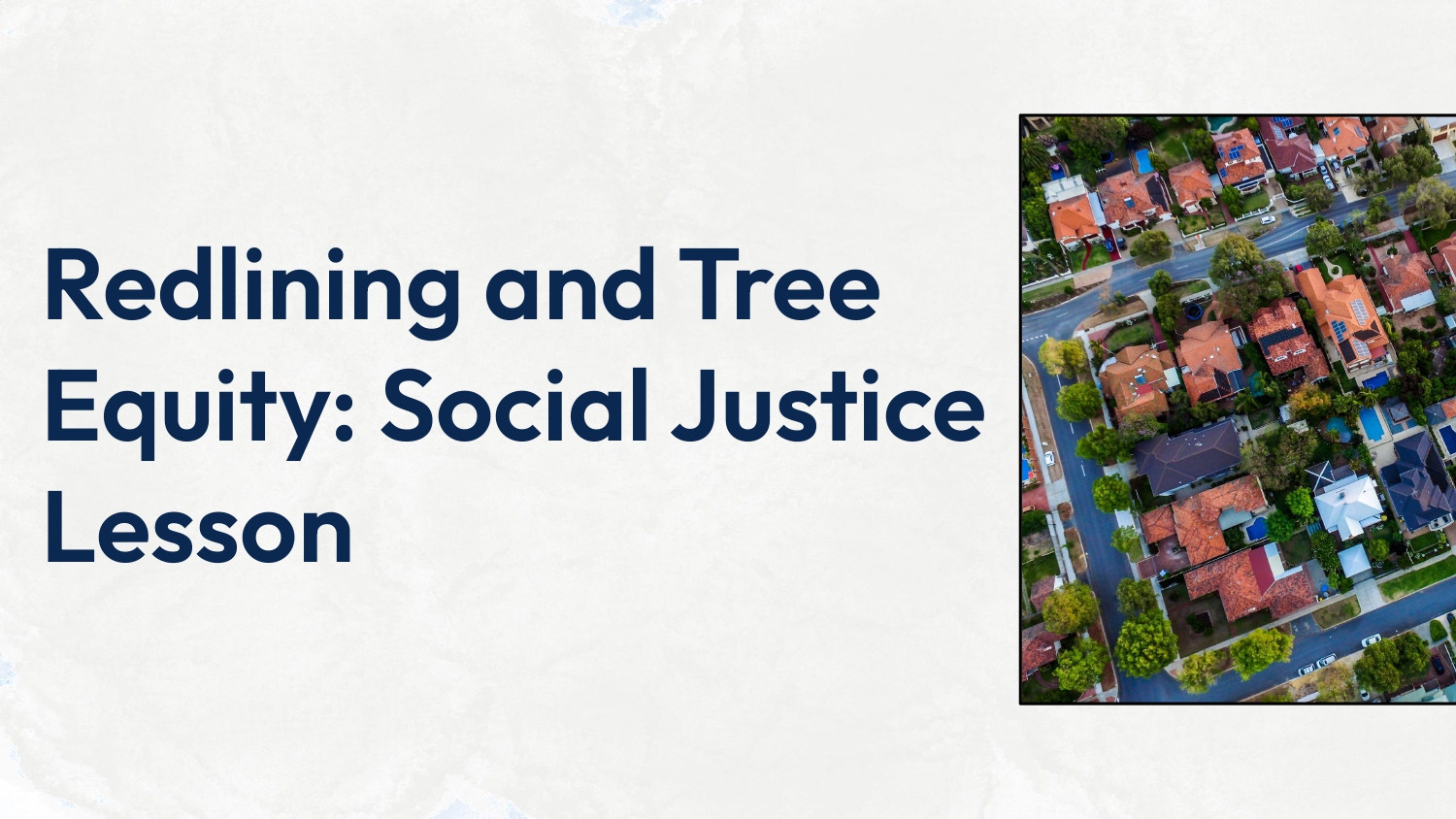
In this lesson, students learn how redlining connects to tree equity and racial justice.


Step 1 - Inquire: Students learn definitions of redlining and systemic racism and explore the Mapping Inequality tool.


Step 2 - Investigate: Students explore the connection between redlining and tree equity.


Step 3 - Inspire: Students share their new knowledge, discuss possible solutions to environmental inequality, and complete a written reflection.

Grade
Subject Civics,History,Geography
Resource Type Lesson Plan


All resources can be used for your educational purposes with proper attribution to the content provider.