

Spanish Lesson: ¿Qué es la energía renovable?
Lesson Plan
45 minutesGrades5Spanish
This resource has been reviewed by SubjectToClimate's climate scientists and verified for scientific accuracy and up-to-date information. Learn about our review process →
Written by Lorissa Clark, Sustainable Jersey for Schools
About this lesson
Students use Spanish to learn about renewable energy and climate change and play games with the new vocabulary.
Inquire: Students identify common objects that use electricity in the classroom and at home.
Investigate: Students learn about climate change and renewable energy through images, a video, and comprehension activities.
Inspire: Students play games with new vocabulary about energy sources and climate change.
Preview the lesson plan
Better on a bigger screen? Open it in its own tab.View Lesson Plan
Everything you need to teach it
How to edit these materials (video)Teaching tips
Suggestions
- This unit can be taught in conjunction with a unit on weather, geography, environment, house, or energy, or as part of a unit on Puerto Rico.
- This lesson reinforces students’ ability to recognize cognates.
Prerequisites
- This is lesson 1 of 3 of our 5th grade Spanish Unit: La energía renovable.
- This lesson is primarily intended for students at the novice mid-proficiency level and can be adjusted for students at novice low or novice high proficiency.
- Students should be familiar with basic weather and geography expressions, as well as vocabulary for some familiar objects in the classroom and at home.
- Teacher should preview the video and determine subtitles if needed.
Differentiation
- Teacher can put the subtitles of the video into English or Spanish, or slow the speed of the video to help with comprehension.
- Students with lower language proficiency can play the Memoria game in the Inspire section.
- For the Los gestos vocabulary activity, teacher can select a few of the vocabulary words and have the class work together to create gestures instead of using the whole list or breaking into groups.
- Students with higher language proficiency can be encouraged to explain their answers when completing the ¿Dónde has visto…? activity. For example: Yo tengo energía solar en mi casa porque hace mucho sol donde vivo.
From the scientist review
Esta lección proporciona a los estudiantes una comprensión de las fuentes de energía renovable y cómo afecta al medio ambiente. La lección cumplió con nuestros criterios de credibilidad para la ciencia cuando la evaluamos.
This lesson gives students an understanding of the sources of renewable energy and how it affects the environment. The lesson passed our credibility criteria for science when we evaluated it.
This lesson gives students an understanding of the sources of renewable energy and how it affects the environment. The lesson passed our credibility criteria for science when we evaluated it.
Want this to fit your class?
Add your location for local examples, questions, and action ideas.
About the teacher writers
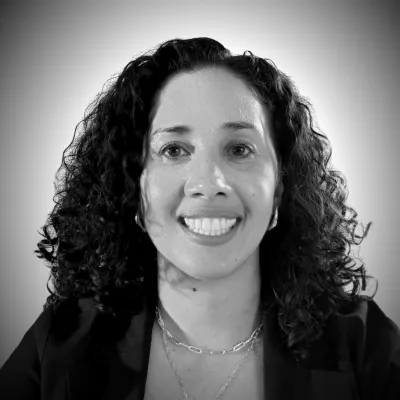
Lorissa Clark
Lorissa Clark holds a Bachelor of Arts in Spanish from The College of New Jersey and a Master of Arts in English as a Second Language and Bilingual Education from the American College of Education. She has been teaching since 2006 and has 20 years of experience teaching Spanish and English as a Second Language to students in grades K–12. Lorissa holds K–12 teaching certifications in Spanish and English as a Second Language and has extensive experience designing curriculum, integrating technology into instruction, and supporting educators through professional development.
Sustainable Jersey for Schools
Sustainable Jersey is a network and movement of municipalities, schools and school districts working collectively to bring about a sustainable New Jersey. Acting with state agencies, non-profit organizations, foundations, academia and industry, Sustainable Jersey researches best practices for what communities could and should do to contribute to a sustainable future.

