

What Happens to Traffic When You Tear Down a Freeway?
Provided by: Grist|Published on: April 27, 2021|Last updated: July 16, 2026
Grades: 6, 7, 8, 9, 10, 11, 12
Type: Videos
Subjects: Geography
Authors: Grist
Location: North America > United States > California, North America > United States > Oregon, North America > United States > Washington

This resource has been reviewed by SubjectToClimate's climate scientists and verified for scientific accuracy and up-to-date information. Learn about our review process →
This resource has been reviewed by SubjectToClimate's climate scientists and verified for scientific accuracy and up-to-date information. Learn about our review process →
Synopsis
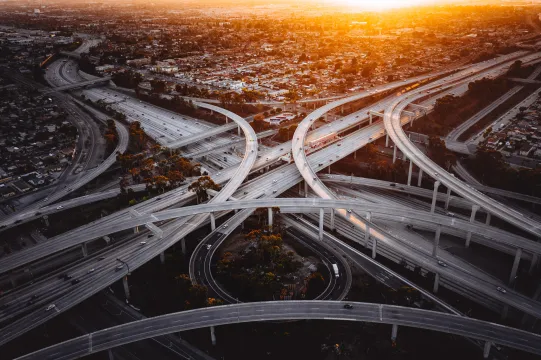
- This video from Grist discusses the impacts of highways in urban areas of Seattle, Portland, and San Francisco, particularly when they are removed.
- Students will learn how the interstate system that was built in the 1950s led to the construction of freeways in cities across America, but that removing freeways in Portland and San Francisco has had a positive impact on reducing traffic.
Teaching Materials
Positives
- This video challenges students to think critically about transportation in urban areas.
- Many helpful links can be found in the video description area.
Prerequisites
- Students will need to understand what a freeway is and how it is different from other roadways.
- The video briefly notes that freeways hurt the environment, destroy urban neighborhoods, and increase segregation without offering an explanation. Students will benefit from understanding why freeways have negative impacts on communities.
Differentiation & Implementation
- History and social studies classes could watch "How Highways Wrecked American Cities" (linked in the video description) to learn about the racial motivations behind the location of urban freeways.
- Social studies, science, and design classes could use this video to start a discussion about the role that urban planning plays in promoting livability in communities. Have students make a list of forms of transportation and then think about how urban planning can facilitate modes of transportation that are better for the environment.
- Social studies and economics classes could discuss the concept of induced demand mentioned in the video and think about other situations that this concept might apply to.
- Other resources on this topic include this video that shows the value of getting around without a car and this Grist video on walkable cities.
This 6-minute video examines the ways in which highways and freeways have impacted U.S. cities and communities. In particular, it looks at traffic patterns, inequality issues, and ways in which roads can be removed and replaced with alternative forms of transportation. This is a short, clear resource with sources provided in the video description. This resource is recommended for teaching.
Teaching Tips
Standards
Resource Type and Format
Scientist Reviewed
This resource has been reviewed by SubjectToClimate's climate scientists and verified for scientific accuracy and up-to-date information. Our review process ensures that every resource in our library reflects the current state of climate science.
Learn about our review process →