
The Story of Nimbus Fish Hatchery
Provided by: Green Guardians|Published on: November 11, 2022|Last updated: July 16, 2026
Grades: 3, 4, 5
Type: Lesson Plans
Subjects: Science, Social Studies, English Language Arts
Authors: Green Guardians
Location: North America, North America > United States, North America > United States > California
This resource has been reviewed by SubjectToClimate's climate scientists and verified for scientific accuracy and up-to-date information. Learn about our review process →
This resource has been reviewed by SubjectToClimate's climate scientists and verified for scientific accuracy and up-to-date information. Learn about our review process →
Synopsis
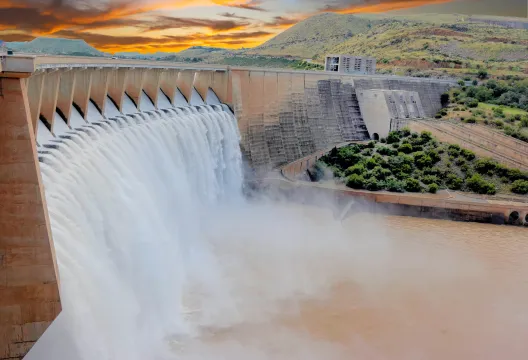
- This set of four lessons and additional resources details how building dams can impact fish populations and how one fish hatchery in California is acting to help endangered salmon survive.
- Students will learn about the history of the Nimbus dam, why it was built, the journey of salmon during their life cycle, the importance of salmon as a keystone species, fish ladders, water pollution, how climate change affects fish populations, and what people can do to help endangered fish species.
Teaching Materials
Positives
- This resource is incredibly detailed and includes everything needed in order to complete a small unit.
- It includes presentation slides with notes, worksheets, lesson plans, a family guide, engaging games, and videos.
Additional Prerequisites
- Students should have a basic understanding of how human activity impacts ecosystems and species.
- Teachers will need to make physical copies or digitally distribute worksheets for student completion.
- The links for the readings and audio clips in the slide presentations do not function.
- The list of beach clean-ups to join is for California only, but you could have students sign up for stream clean-ups in their local area.
Differentiation
- Connections can be made in health classes discussing sources of food or social studies classes learning about how human society impacts the environment.
- Consider chunking the lessons into smaller parts for younger students or classes who struggle with longer sessions.
- Science classes can use this resource to introduce many ecology concepts including ecosystems, keystone species, predator-prey interactions, and habitat destruction or degradation.
- Engineering classes can discuss the fish ladders, the design of the dams, and the infrastructure needed to transport water to other areas of California from the dams.
- As an extension, have students write a reflection at the end of each session about their learning.
This resource contains lessons for students to gain deep insights about the impact of climate change on salmon and other aquatic resources. Students will also get to understand the vulnerability levels of species in the Nimbus Fish Hatchery and other habitats and then develop solutions to mitigate the vulnerability caused by dams and climate change impacts. All materials have been thoroughly fact-checked, and this resource is recommended for teaching.
Teaching Tips
Standards
Resource Type and Format
Scientist Reviewed
This resource has been reviewed by SubjectToClimate's climate scientists and verified for scientific accuracy and up-to-date information. Our review process ensures that every resource in our library reflects the current state of climate science.
Learn about our review process →