
Polar Lab
Provided by: PBS|Published on: November 26, 2025|Last updated: July 16, 2026
Grades: 6, 7, 8, 9, 10, 11, 12
Type: Games
Subjects: Biology, Earth and Space Sciences
Authors: PBS
Location: North America > United States > Colorado, North America > United States > Minnesota, Polar Regions
This resource has been reviewed by SubjectToClimate's climate scientists and verified for scientific accuracy and up-to-date information. Learn about our review process →
This resource has been reviewed by SubjectToClimate's climate scientists and verified for scientific accuracy and up-to-date information. Learn about our review process →
Synopsis
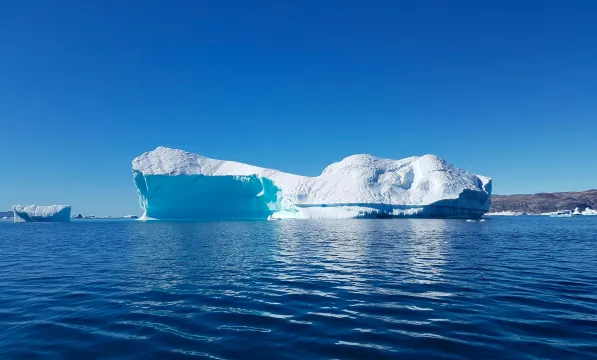
- In this virtual expedition-style interactive game provided by Nova/PBS, students will virtually travel to the Arctic, Colorado, and Minnesota to explore tree rings, fossils, sediment and ice cores, seal data, and much more to understand what polar climates were like long ago and how they have changed in the recent past.
- Students will play this game by exploring virtual landscapes, watching videos, reading notes, and finding clues that tell the story of how the poles have changed over time.
Teaching Materials
Positives
- Students will love the first-person point of view this game has.
- The mini-games provide an excellent break that will keep students engaged in the content.
Prerequisites
- To save their progress, students will need to log in with a Google or PBS account. Students can play without signing in by selecting Guest Pass. If students are expected to complete all of the missions, they will need to sign in and save their progress.
- Each mission will take students at least 15-20 minutes.
- Students will need to complete missions before the next one is unlocked, and will not be able to jump around the content.
- Though the resource does touch on carbon dioxide, the greenhouse effect, and climate change in general, students may benefit from having background knowledge on these topics.
Differentiation & Implementation
- To keep track of their progress and what they learned, students can create physical copies of their field notebooks. Students can use these to write their answers to the questions posed in their virtual field notebooks, record their questions, and jot down connections they make.
- Some students, especially those who experience motion sickness, may start to feel discomfort when navigating and exploring the 360° view. Prompt these students to take frequent, short breaks or make the size of their screen smaller.
- The bonus content is a great option for early finishers.
- To make connections to the Sustainable Development Goals, teachers can ask students to think about Goal 13, Climate Action, Goal 14, Life Below Water, and Goal 15, Life on Land, as they explore this game.
This interactive resource educates students about Earth’s current and historic climate. Key science concepts are explained by scientists in simple terms through a number of videos and games. The common misconception that humans aren’t responsible for climate change since the climate has changed throughout history is directly addressed. This resource is highly recommended for teaching.
Teaching Tips
Standards
Resource Type and Format
Scientist Reviewed
This resource has been reviewed by SubjectToClimate's climate scientists and verified for scientific accuracy and up-to-date information. Our review process ensures that every resource in our library reflects the current state of climate science.
Learn about our review process →