

How Hong Kong Built the World's Best Transit
Provided by: PolyMatter|Published on: March 8, 2022|Last updated: July 16, 2026
Grades: 6, 7, 8, 9, 10, 11, 12
Type: Videos
Subjects: Economics, Civics
Authors: PolyMatter
Location: Asia

This resource has been reviewed by SubjectToClimate's climate scientists and verified for scientific accuracy and up-to-date information. Learn about our review process →
This resource has been reviewed by SubjectToClimate's climate scientists and verified for scientific accuracy and up-to-date information. Learn about our review process →
Synopsis
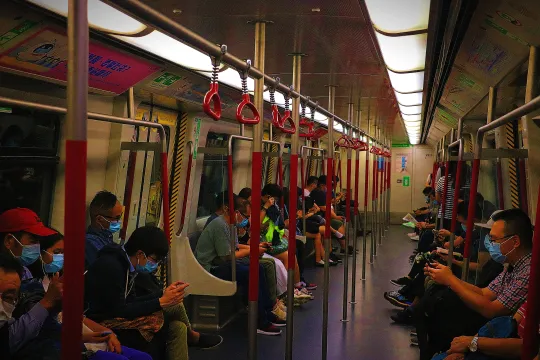
- This video provides information about Hong Kong's efficient and profitable public transit systems, including the Mass Transit Railway (MTR), which has more than 5.9 million riders each day.
- Students will learn that the MTR is able to turn a profit while keeping passenger prices low by incorporating funding from the sale or rental of land near the railway.
- Though the MTR provides clean, comfortable, and punctual transportation, the government has also used the system to exert control over the people, especially during government protests.
Teaching Materials
Positives
- This video provides a balanced view of the benefits and disadvantages of a system in which the government is the primary landholder.
- Visual learners will appreciate the maps and other graphics that are used to illustrate concepts in the video.
- A linked sources list is available in the video description.
Prerequisites
- This video contains advertisements and pop-ups.
- Students should be familiar with the general history of Hong Kong as well as the current political situation in order to understand the protests discussed in the video.
Differentiation & Implementation
- Civics or government classes can discuss why public transit is government-funded. After the discussion, students could research the local public transit system to answer the following questions:
- What types of public transit exist?
- How is public transit funded?
- How much does it cost to use public transit?
- What percentage of the population uses public transit?
- Which parts of the community have little or no access to public transit?
- Is public transit as efficient as car travel?
- What are some ways that public transit could be improved?
- Ethics or civics classes can debate whether the benefits of living in a place like Hong Kong outweigh the disadvantages. After the debates, students could write personal reflections on whether it is possible for a society to provide social programs for its people while still preserving personal rights and individual freedoms.
- Teachers can discuss the need for effective public transportation to reduce emissions and fight against climate change. Teachers can use this SubjectToClimate lesson plan to give students a chance to compare different modes of transportation.
- Other resources on this topic include this video about car-free streets in Europe and this Vox video on how highways make traffic worse.
This video showcases the urban transportation model of Hong Kong. It can be replicated to ensure a clean and safer transportation system. It also explores government policies such as income tax rates, land rights and ownership, urban planning, etc. These measures are appropriate to drive sustainable economic development and environmental sustainability. There are only a few scientific facts to verify. This resource is recommended for teaching.
Teaching Tips
Standards
Resource Type and Format
Scientist Reviewed
This resource has been reviewed by SubjectToClimate's climate scientists and verified for scientific accuracy and up-to-date information. Our review process ensures that every resource in our library reflects the current state of climate science.
Learn about our review process →