
Diné Lifeways & the Three Sisters

Synopsis
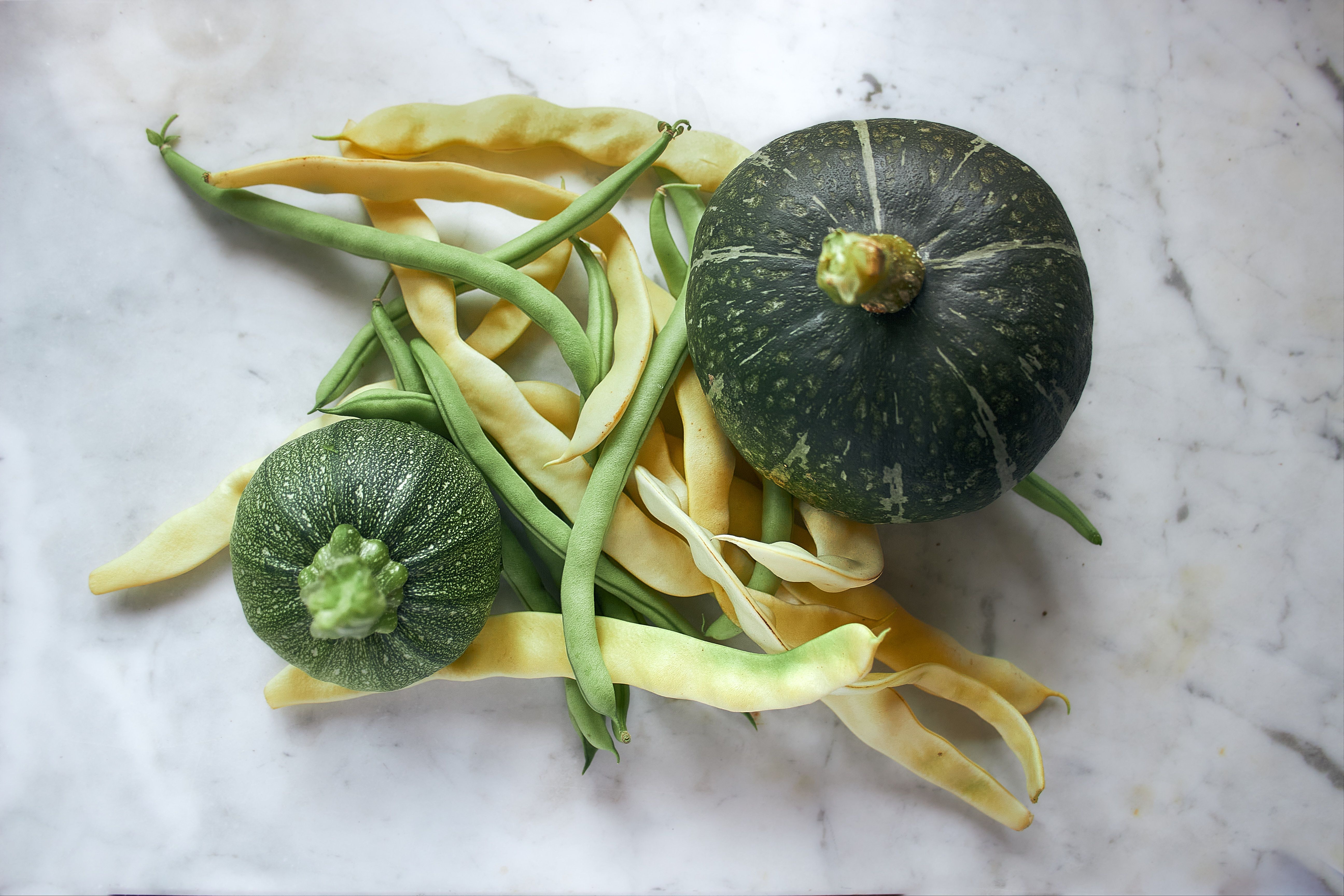
This lesson uses the story of the Three Sisters (corn, beans, and squash) to explore how Indigenous companion planting protects soil and builds resilient food systems.
Students will watch a short video on Indigenous farming, share family experiences with planting in a story circle, act out how the three plants support each other, and then plant corn, beans, and squash together outdoors during this 45-minute lesson.
The lesson also includes vocabulary words in Diné Bizaad, the Navajo language.
Teaching Materials
Preparation:
Use the story map to learn about the full curriculum and build necessary background knowledge for implementing this lesson.
Have an outdoor area prepared for planting.
Honor the planting knowledge students bring from home, and consider inviting a local Indigenous grower or tribal garden program to visit.
Classroom Implementation:
Use this lesson in science units on plant needs, ecosystem interactions, and soil, or social studies units on Indigenous agriculture and food systems.
Materials:
Heirloom seeds – balance of corn, beans, and squash
Planting containers, pots, or garden bed
Soil and compost
Watering cans
Wooden planting sticks
Hand trowels, small shovels
Gloves
Nature journals or sketchbooks
Graph paper
Pencils and markers
Extensions:
Have students graph their plant's growth over time in their nature journals.
Scientist Reviewed
This resource has been reviewed by SubjectToClimate's climate scientists and verified for scientific accuracy and up-to-date information. Our review process ensures that every resource in our library reflects the current state of climate science.
Learn about our review process →