
Could Microbes Eat Your Plastic Trash?
Provided by: The Kid Should See This|Published on: March 15, 2023|Last updated: July 16, 2026
Grades: 9, 10, 11, 12, AP
Type: Articles/Websites
Subjects: Chemistry, Biology
Authors: The Kid Should See This
Location: Asia, Earth
This resource has been reviewed by SubjectToClimate's climate scientists and verified for scientific accuracy and up-to-date information. Learn about our review process →
This resource has been reviewed by SubjectToClimate's climate scientists and verified for scientific accuracy and up-to-date information. Learn about our review process →
Synopsis
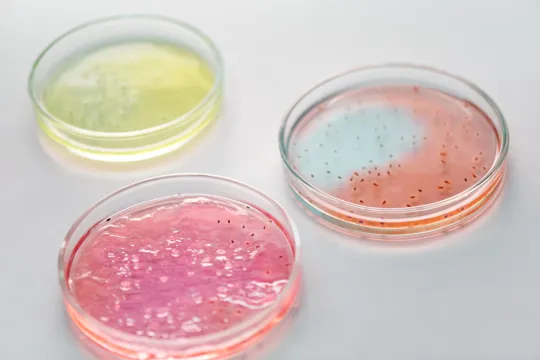
- This video and brief article discusses the discovery of plastic-eating microbes and the massive problems that plastics have caused for our planet and our health.
- Students will learn about the solutions to plastic pollution, including a reduction in plastic use, as they watch this animated video.
Teaching Materials
Positives
- This video describes scientific concepts and uses engaging graphics to help explain them.
- Links to 12 other related resources are embedded within the article.
Additional Prerequisites
- Provide students with background information on types of plastics, focusing on PET plastics.
- Celsius is the temperature unit used throughout this video, so be sure students have familiarity with it.
Differentiation
- Research other innovative solutions to the plastic pollution problem, such as this new chemical recycling technology or sustainable, biodegradable alternatives to plastic, such as algae or mycelium.
- Have students watch the linked video in the article describing how to make bioplastic using water, corn starch, vinegar and glycerin, and either do this experiment in class, watch the video and write about the process, or give students the opportunity to try it at home as an optional extension activity.
- Consider using this video to provide some related information on microbes and their connections to climate change.
- Pair students up to further research the history of plastic and why plastic is having such a devastating impact on our planet, and then have them report their new findings back to the class.
This website provides a brief synopsis of a ~6 minute video that discusses the use of plastics and how reducing the use of single-use plastics can help to reduce pollution. The transition to bioplastics is discussed, along with an activity where students can make their own bioplastic with water, corn starch, vinegar, and glycerin. This video and activity would be a great addition to a classroom discussing sustainability and different ways to reduce emissions that contribute to climate change.
Teaching Tips
Standards
Resource Type and Format
Scientist Reviewed
This resource has been reviewed by SubjectToClimate's climate scientists and verified for scientific accuracy and up-to-date information. Our review process ensures that every resource in our library reflects the current state of climate science.
Learn about our review process →